

Occupational Therapy
What to Expect from OT After a Stroke
5 min read
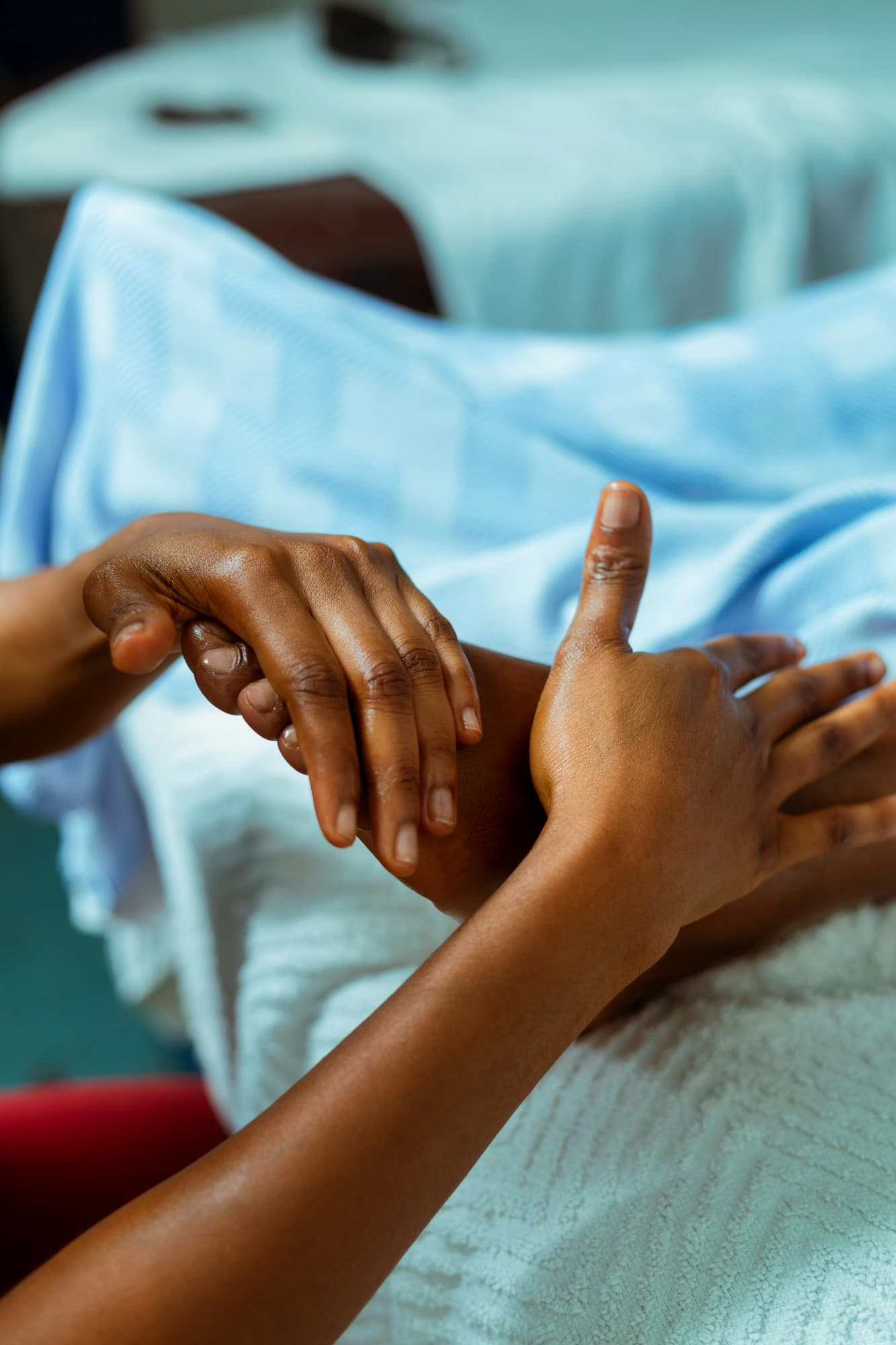
Recovery after a stroke is rarely linear, and occupational therapy plays a central role in helping survivors regain the skills needed for daily life.
Sessions typically begin with a functional assessment — looking at strength, coordination, cognition and the specific tasks that matter most to the individual.
From there, therapy is built around practical, meaningful goals: relearning to dress independently, safely preparing a meal, or regaining enough hand control to write or use a phone again.
This article is provided for general education and does not replace individualised clinical advice. Book a session for guidance specific to your situation.
More in Occupational Therapy
Get in touch
Ready to take the first step?
Book a session and we'll confirm within one business day.
Book an appointment